NFC vs QR Code: Which Is Better for Professional Networking?
The Modern Networking Debate
As businesses and professionals continue moving toward digital networking, two technologies have emerged as the most popular methods for sharing contact information and digital profiles: NFC and QR Codes.
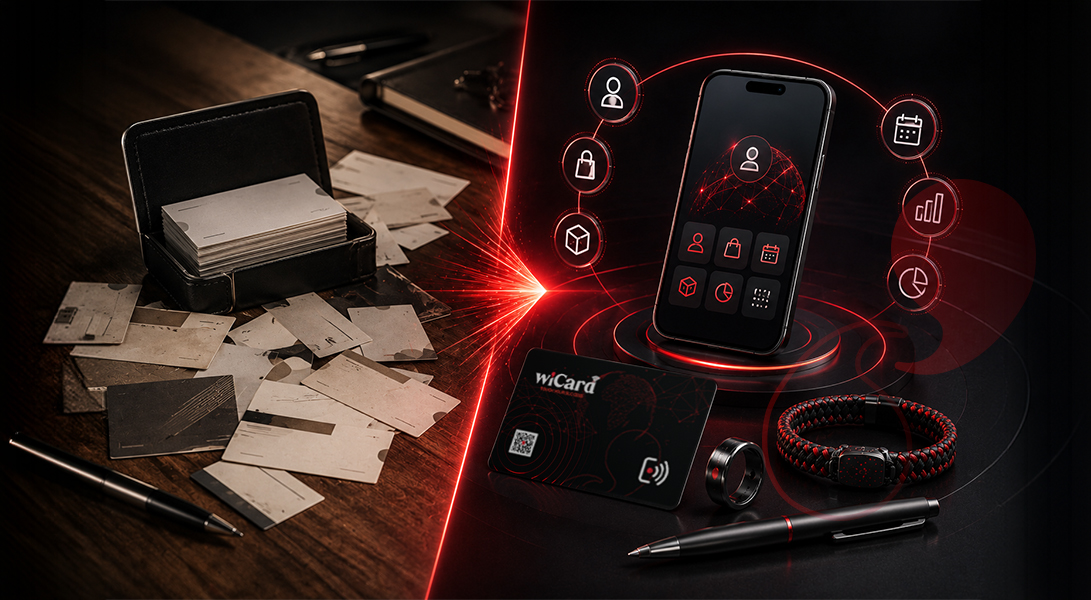
Both technologies eliminate the limitations of traditional paper business cards and allow users to instantly share information using smartphones. However, while they often achieve similar goals, the experience, convenience, and overall impact can be very different.
Whether you're a business owner, entrepreneur, salesperson, consultant, or corporate team leader, choosing the right networking technology can significantly influence how people interact with your brand.
So which solution is better for professional networking?
In this guide, we'll compare NFC vs QR Code technology, examine their strengths and limitations, and help you determine which option delivers the best experience for modern digital networking.
What Is NFC?
NFC stands for Near Field Communication.
It is a wireless communication technology that allows two devices to exchange information when they are placed very close together.
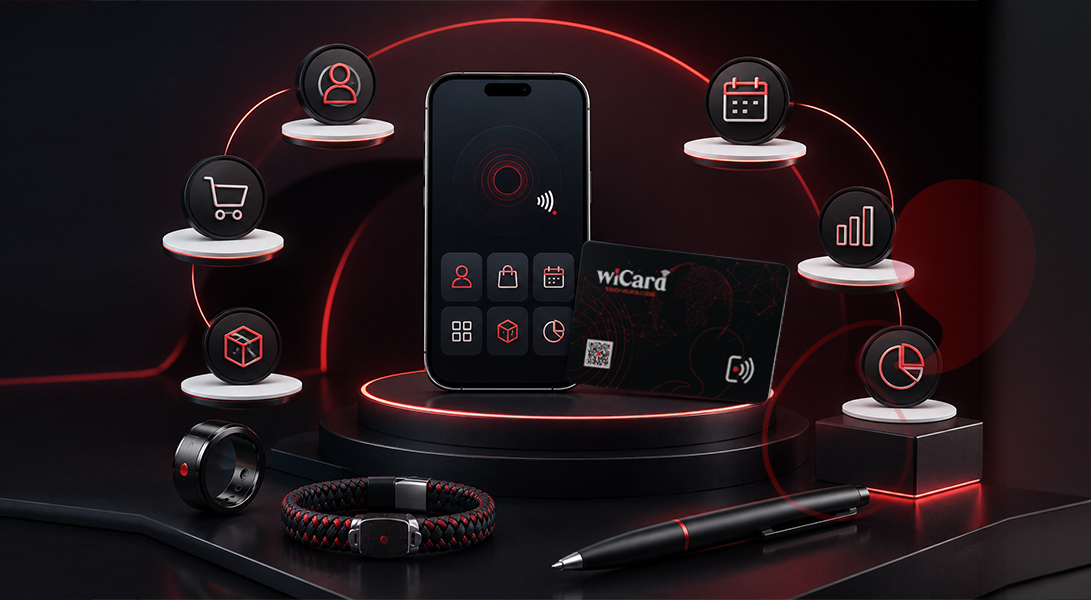
In professional networking, NFC technology is commonly embedded into:
- NFC Business Cards
- NFC Rings
- NFC Bracelets
- NFC Pens
- NFC Tags
- Smart Networking Products
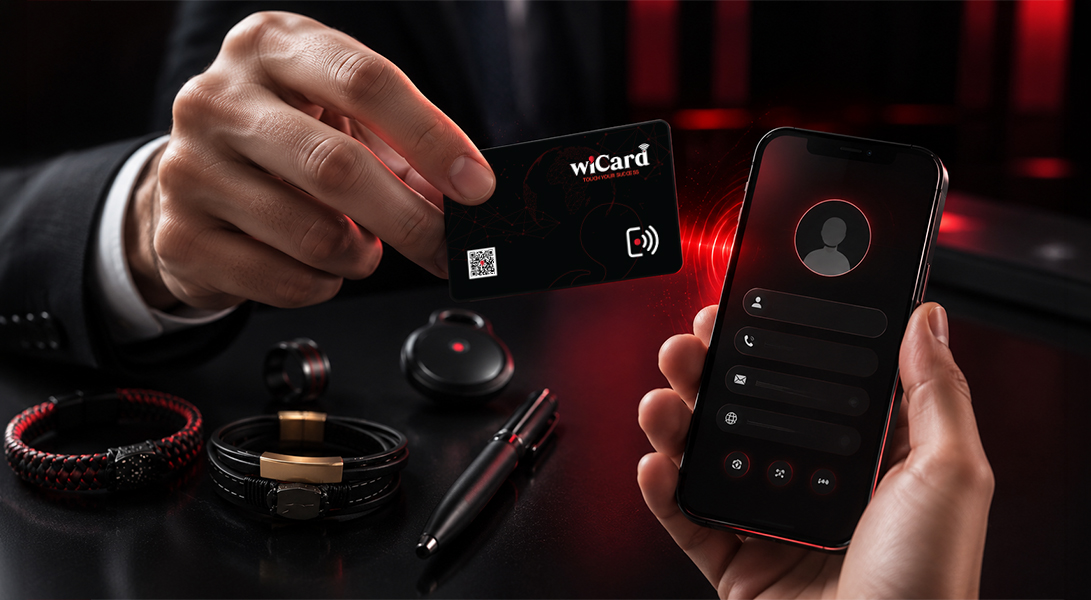
When someone taps an NFC-enabled product against a compatible smartphone, a digital profile instantly opens.
The interaction feels seamless and natural.
What Is a QR Code?
A QR Code is a machine-readable barcode that stores information such as:
- Website URLs
- Contact information
- Digital profiles
- Product pages
- Payment links
Users simply open their smartphone camera and scan the code.
The phone then directs them to the associated digital destination.
QR codes have become increasingly popular because they are easy to generate, inexpensive, and supported by nearly all modern smartphones.
Similarities Between NFC and QR Codes
Before comparing them directly, it's important to understand that both technologies offer several shared benefits.
Both can:
- Share contact information
- Open digital business cards
- Connect users to websites
- Launch social media profiles
- Display portfolios
- Enable appointment bookings
- Support digital networking
Both technologies represent a major improvement over traditional paper business cards.
However, the user experience differs significantly.
NFC vs QR Code: User Experience
NFC Wins for Simplicity
One of the biggest advantages of NFC is convenience.
The process is extremely simple:
- Tap the smartphone.
- Profile opens instantly.
No camera.
No alignment.
No scanning.
No additional steps.
This creates a frictionless interaction that feels modern and professional.
QR Codes Require More Steps
With QR codes, users typically need to:
- Open their camera.
- Position the QR code.
- Wait for recognition.
- Tap the notification.
- Open the link.
Although the process is still fast, it involves more actions than NFC.
For busy networking environments, even a few additional seconds can affect engagement rates.
Winner: NFC
NFC vs QR Code: Professional Appearance
First impressions play a major role in business networking.
An NFC Business Card often creates a stronger impression because the interaction feels innovative and sophisticated.
When someone taps a card, ring, bracelet, or pen and instantly receives information, it creates a memorable experience.
QR codes, while practical, have become extremely common.
Most people encounter them daily on:
- Restaurant menus
- Product packaging
- Advertisements
- Event materials
As a result, QR codes often feel more functional than impressive.
Winner: NFC
NFC vs QR Code: Compatibility
QR codes have one significant advantage.
Virtually every smartphone with a camera can scan a QR code.
NFC compatibility is also widespread, but some older devices may have limitations.
Today, most modern:
- iPhones
- Samsung devices
- Google Pixel phones
- Android smartphones
fully support NFC interactions.
However, QR codes remain slightly more universal.
Winner: QR Code
NFC vs QR Code: Speed
Speed is critical in networking situations.
NFC interactions typically happen instantly.
Users simply tap and view.
QR codes require positioning, scanning, and confirmation.
While the difference may only be a few seconds, repeated interactions often make NFC noticeably faster.
Winner: NFC
NFC vs QR Code: Design Flexibility
QR codes must remain visible to be scanned.
This affects product design and aesthetics.
NFC chips, on the other hand, can be hidden inside:
- Cards
- Rings
- Bracelets
- Pens
- Keychains
- Track Find Me products
This allows for cleaner, more elegant designs.
Professionals seeking premium branding often prefer NFC products because they maintain a sophisticated appearance without visible codes.
Winner: NFC
NFC vs QR Code: Cost
QR codes are generally less expensive to deploy.
Businesses can generate QR codes instantly with little or no cost.
NFC products require:
- NFC chips
- Physical products
- Manufacturing
This creates a higher initial investment.
However, many businesses consider the improved user experience worth the additional cost.
Winner: QR Code
NFC vs QR Code: Engagement Rates
Studies across digital marketing and user experience consistently show that reducing friction increases engagement.
Because NFC requires fewer steps, users are more likely to interact with it.
The "tap and go" experience encourages immediate action.
In networking situations where attention spans are short, this can make a measurable difference.
Winner: NFC
NFC vs QR Code: Security
Both technologies can be secure when implemented correctly.
Professional networking platforms often use:
- Secure URLs
- Encrypted hosting
- Managed digital profiles
Neither NFC nor QR codes present significant security concerns when managed through trusted platforms.
Result: Tie
Why Many Professionals Use Both
The most effective networking solutions often combine NFC and QR technology.
This provides maximum flexibility.
Näiteks:
NFC Interaction
Users tap the product.
QR Backup
Users scan the code if tapping isn't possible.
This dual-technology approach ensures compatibility with virtually every device and situation.
Many modern Digital Business Cards include both NFC and QR functionality for this reason.
Which Technology Is Better for Digital Networking?
The answer depends on your goals.
Choose NFC If You Want:
- Premium user experience
- Faster sharing
- Better first impressions
- Modern branding
- Smart wearable products
- Higher engagement
Choose QR Codes If You Want:
- Lowest cost
- Universal accessibility
- Quick deployment
- Simple implementation
Choose Both If You Want:
- Maximum compatibility
- Best networking performance
- Complete flexibility
- Future-ready digital identity
For most professionals, combining NFC and QR technology delivers the strongest results.
The Future of Professional Networking
The future of networking is increasingly digital, contactless, and mobile-first.
Whether using NFC Business Cards, QR Codes, NFC Rings, NFC Bracelets, NFC Pens, or smart networking products, the goal remains the same:
Create faster, more meaningful connections.
While QR codes remain a practical solution, NFC technology is rapidly becoming the preferred choice for professionals who want to stand out, create memorable interactions, and deliver a premium networking experience.
The most successful digital networking platforms now integrate both technologies, allowing users to benefit from the strengths of each while ensuring seamless communication across all devices.
In the evolving world of digital networking, NFC and QR codes are not competitors—they are complementary tools helping professionals connect smarter than ever before.